EASA Part 147 Full Basic Course for Part-66 Licenses

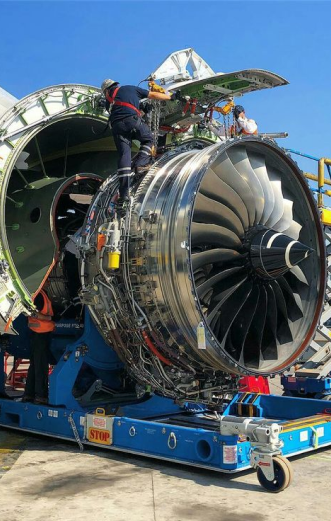
Our EASA Part 147 Full Basic Course is designed to train future Licensed Aircraft Maintenance Engineers (LAME) in line with HCAA and EASA standards. The course covers 17 essential modules, combining theoretical lessons with practical training. Trainees will gain hands-on experience using industry-standard tools and procedures.

After completing the modular studies, students will undertake On-the-Job Training (OJT) with air line partners to further develop their skills in aircraft line maintenance. Upon successful completion, trainees will earn their Basic License and can pursue type approvals for various aircraft types.

This comprehensive program prepares graduates for a successful career in aircraft maintenance, ensuring they have the knowledge and experience needed to maintain the safety and serviceability of aircraft worldwide
Contact
get Information

FAQ's

What qualifications do I need to register in full basic license aircraft maintenance training program.

What qualifications do I need to become an aircraft maintenance engineer?

You need to complete a recognized training program from an EASA Part-147 approved organization as Athens Aviation Training Organization and pass the required examinations for the Part-66 license. Additionally, practical maintenance experience is essential. What is an EASA Part-66 license? An EASA Part-66 license is a European certification for aircraft maintenance engineers, enabling them to certify and release aircraft back into service after maintenance.

What are the categories of EASA Part-66 licenses?

What is the difference between Category B1 and B2 licenses?

Which is Better between Category B1 and B2 licenses for a Career?

Choosing between a B1 and B2 license depends largely on your interests and career goals:

  • -B1 License: If you are more interested in the mechanical and structural aspects of aircraft, including engines and systems like hydraulics and pneumatics, a B1 license might be more suitable. B1 engineers are often involved in more physical maintenance work and structural repairs.
  • -B2 License: If you have a stronger interest in electronics, electrical systems, and cutting-edge technology, a B2 license would be more appropriate. B2 engineers work more with the sophisticated avionics and electronic systems of the aircraft.
  • Career Prospects:
    • -B1 Engineers: Generally, have a wider scope of work, especially in smaller organizations or on smaller aircraft where they might handle both mechanical and basic avionic tasks.
    • -B2 Engineers: May find more specialized roles, particularly in large organizations or with airlines where specific skills in avionics are required.
    In terms of career opportunities, both licenses are valuable and necessary in the aviation industry. However, having both B1 and B2 qualifications can significantly enhance job prospects and career growth, making you versatile and highly valuable to employers

What subjects are covered in the EASA Part-66 exams?

How long does it take to complete the training and obtain an EASA Part-66 license?

What is On-Job-Training (OJT)?

OJT is hands-on training that provides practical experience in an actual maintenance environment. This is required for Part-66 license candidates to demonstrate their competence in performing maintenance tasks.

Contact Us

How can Aerolink Solutions Help you?